

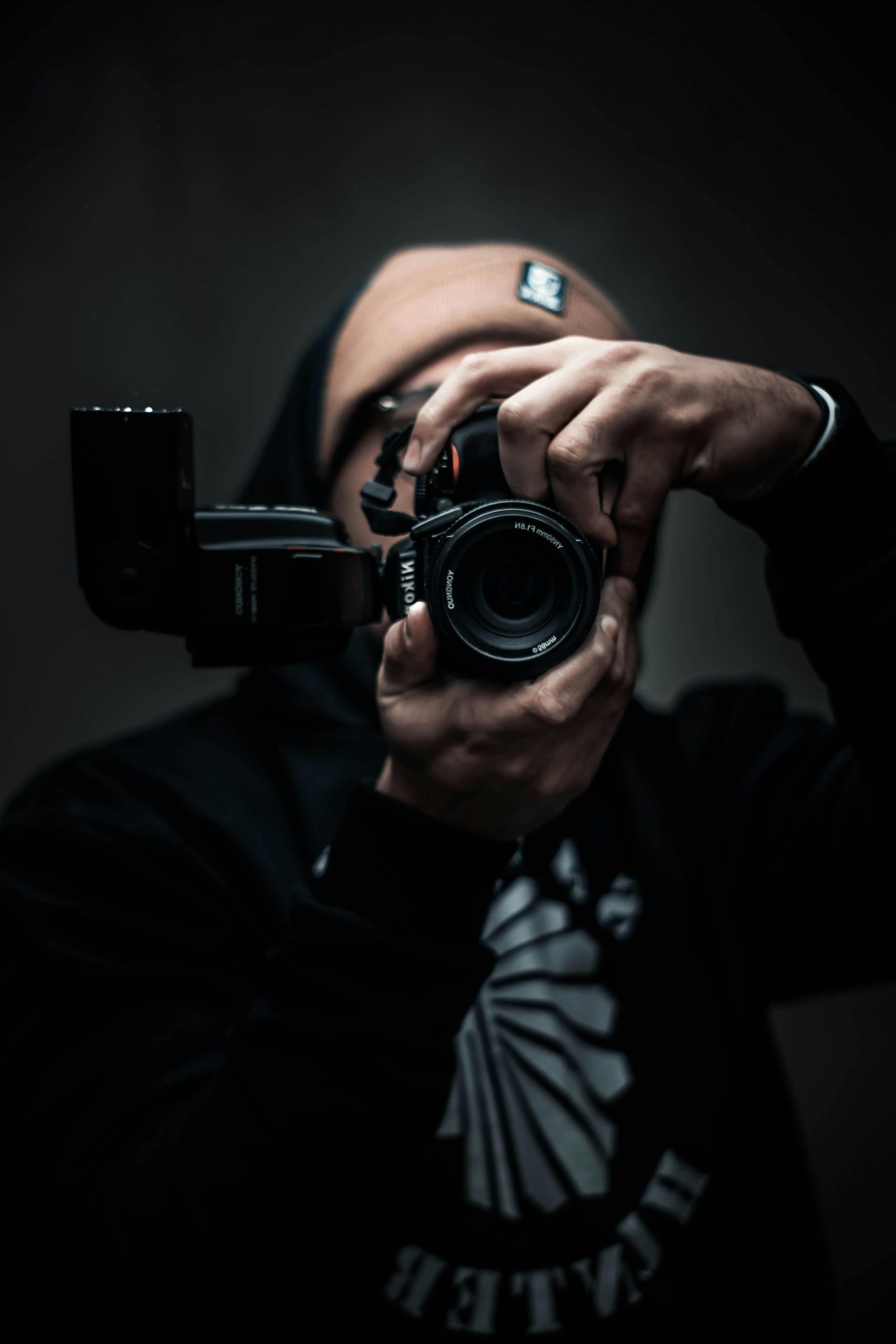
If you want to learn photography from scratch, the first step isn’t owning the most expensive camera — it’s understanding how light, composition and the basic camera settings work. Photography is easier to learn when you start from the essential concepts and practise consistently, step by step.
In this article you’ll see where to start, what to understand first and how to build a solid foundation for better photographs.
Understand light first
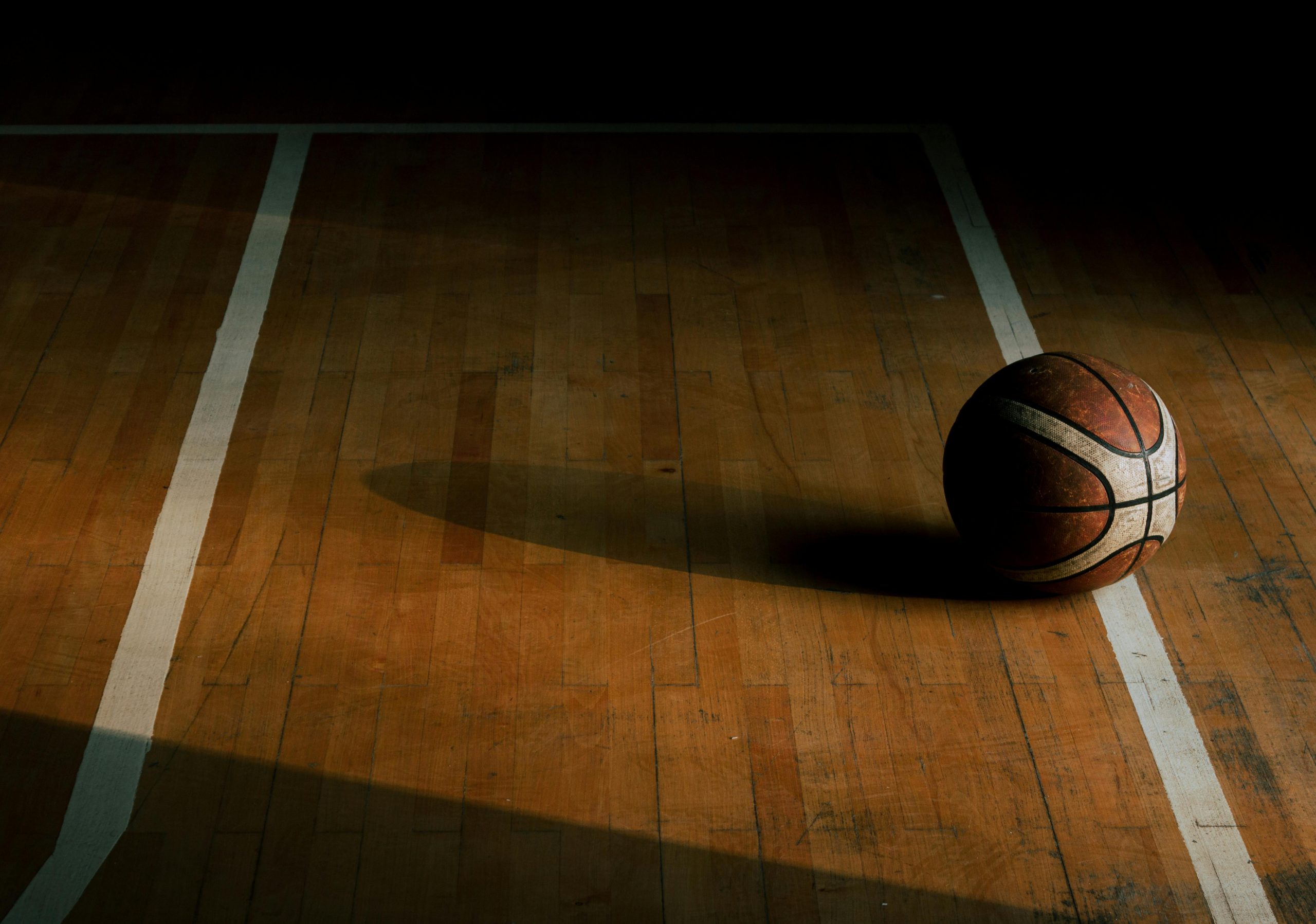
Photography is, above all, light. Without light there is no image, and the way light falls on your subject shapes the mood, the contrast and the detail in the photograph.
When you’re starting out, try to notice the natural light around you: in the morning, at sunset, indoors by a window or outside on a cloudy day. Learning to observe light is one of the most important exercises for a beginner.
Learn the basic camera settings
Once you start noticing light, the next step is to understand the three basic camera settings: ISO, aperture and shutter speed. They control how much light reaches the sensor and directly shape the final look of the image.
You don’t need to master them right away, but you should know what each one does. ISO controls sensitivity to light, aperture affects depth of field, and shutter speed controls motion.
You don’t need the most expensive camera to start. You need to understand light, exposure and composition.
Practise composition
A good photograph doesn’t depend only on the camera, but also on how you choose to frame the subject. Composition helps you guide the eye and build clearer, more balanced and more interesting images.
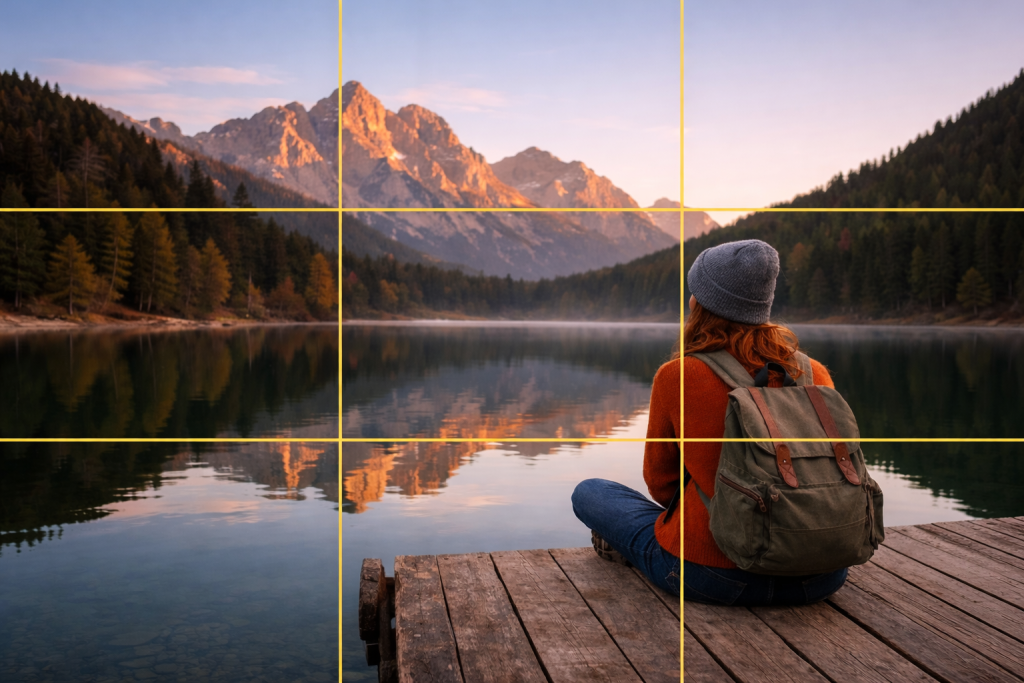
At first, focus on simple rules: the rule of thirds, leading lines, negative space and balance between elements. Over time you’ll start to see the frame before you press the shutter.
Shoot regularly, not occasionally
The fastest way to learn photography is to shoot often. You don’t have to wait for holidays, special events or spectacular places. You can learn a great deal by photographing simple objects, natural light, the people close to you or ordinary scenes around you.
Regular practice helps you understand faster what works and what needs improving. The more you practise, the more natural the camera feels in your hands.
Learn from clear, structured resources
When you’re starting out, it’s very easy to get lost in lots of contradictory information. That’s why it matters to learn from clear, well-organised resources that are easy to follow.
A well-structured course or a set of simply explained articles can help you progress faster than dozens of random tutorials. What matters is building a solid foundation and applying what you learn.
Conclusion
If you want to learn photography from scratch, start with light, move on to the basic camera settings, practise composition and shoot as often as you can. You don’t need perfect gear to start — you need patience, observation and regular practice.
Photography is learned step by step, and progress comes from practice and from understanding the essentials.
Want to go further?
Explore the free courses on AF-C.RO and start with photography basics, exposure, composition and light.
Leave a Reply